Free ShippingOn orders over £250*

Special OffersView our special offers here.

Same Day DispatchOn orders completed before 12pm

Sales Contact NumberTel: 01255 258525  7:30am to 5:00pm

Category: Uncategorized

  • The Essential Role of 110mm (4″) Underground Drainage Pipes

    In modern construction and DIY projects alike, the 110mm underground drainage pipe otherwise referred to as 4″ drainage pipe stands out as an essential component. These pipes, known for their terracotta colour and full industry certification, ensure effective water management in various environments. While the industry has embraced metric measurements, the use of imperial sizes remains prevalent among many tradespeople.


    Metric vs. Imperial: Bridging the Gap

    The transition to metric measurements in the drainage industry has been significant, yet many professionals continue to use imperial sizes for convenience and tradition. With this in mind, a 110mm pipe is often referred to as a 4″ drainage pipe, exemplifying this duality. This dual measurement system allows for greater flexibility and ease of communication across different trades.


    The Significance of Using Terracotta-Coloured 4inch pipe

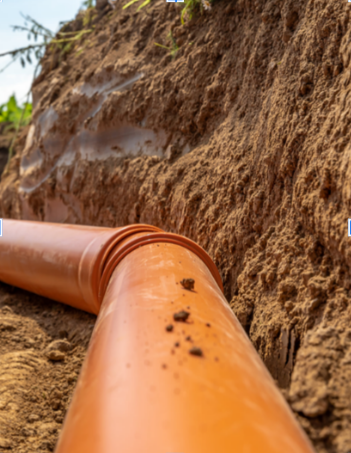
    These terracotta-coloured pipes are easily recognisable and is the traditional colour utilised for the manufacture of underground pipe. Now made from durable uPVC, the original clay terracotta being to fragile to comply with modern building standards. These uPVC 4” drainage pipes are high-quality being certified products suitable for underground use. While the colour itself doesn’t guarantee certification, it is a common indicator of compliance with rigorous industry standards. Certified underground drainage pipes are designed to handle various environmental pressures, making them ideal for both large-scale residential projects or even smaller DIY tasks.


    Applications in Residential and Commercial Settings

    Residential Use: 110mm pipes are perfect for managing wastewater and rainwater in residential developments. Their capacity and durability help prevent blockages and flooding, ensuring a sanitary environment.

    Commercial and Industrial Projects: These underground drainage pipes also excel in commercial and industrial applications, where their robustness and high capacity are essential for handling large volumes of waste.


    A Comprehensive Range of 110mm Underground Pipe Fittings

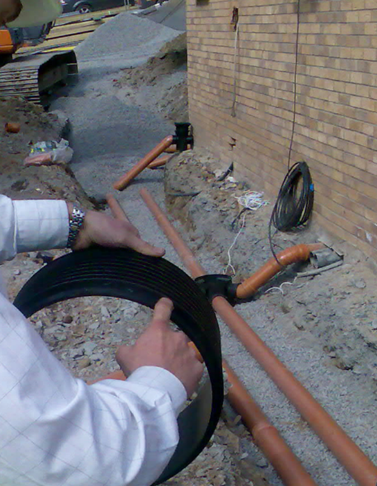
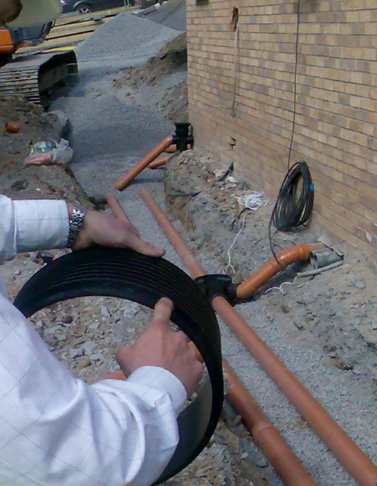
    Any underground drainage system’s efficiency is heavily dependent on the fittings utilised. There is a wide range of obstacles and requirements that you may come across whilst installing your underground drainage project and therefore, a wide range of 4” underground fittings is essential. Key fittings include:

    Couplers: Essential for securely joining two pipes.

    Bends: Available in various angles (e.g., 45°, 90°) to navigate around obstacles.

    Branches: T-shaped or Y-shaped connectors for integrating multiple pipelines.

    End Caps: Used to seal pipe ends and prevent debris ingress.

    Access Fittings: Provide crucial access points for maintenance and inspection.


    Special Offer Kits

    To simplify the installation process, special offer starter kits containing a variety of fittings are available. These kits include the drainage pipe fittings ‘starter’ kit which includes 35 4inch fittings and the premium starter kit with 73 different 110mm fittings, ensuring you have all necessary components for a successful underground drainage project.


    The Benefits of Using Certified Pipes and Fittings

    Utilising certified pipes and fittings for your underground installations offers several advantages, a few of which are listed here:

    Quality Assurance: Compliance with industry standards guarantees durability and reliability. This is essential for any underground project as fixing a potential problem is always complicated once the project is finalised.

    Longevity: Designed to withstand external pressures, these pipes have a longer lifespan.

    Versatility: Suitable for a wide range of applications, from residential to commercial and  industrial projects. These 4” drainage pipes are also ideal for waste and water control underground.


    Installation and Maintenance Best Practices

    The correct installation and maintenance is critical for the effective functioning of any underground drainage system. Key practices include: 

    Correct Trenching: Ensuring trenches are properly dug to effectively support the pipes is essential.

    Bedding and Backfilling: Providing adequate support and protection to the pipes will decrease potential problems.

    Regular Maintenance: Using access fittings to facilitate easy inspection and cleaning will ensure the system remains operational for longer times

    Conclusion 

    The 110mm underground drainage pipe otherwise referred to as 4” drainage pipe is a versatile and reliable solution for many water management needs. Its availability in both metric and imperial sizes caters to a wide range of professionals, ensuring compatibility and ease of use. Certified and traditionally terracotta-coloured, these pipes are ideal for any residential or commercial underground drainage project
  • Understanding 160mm (6″) Underground Drainage Pipe and Fittings

    Understanding 160mm (6″) Underground Drainage Pipe and Fittings

    Within the field of underground drainage, the 160mm (6″) pipe stands out as a key component for larger projects. Despite the transition to metric measurements, the imperial 6″ is still recognised and used by many professionals. These pipes, often terracotta-coloured and certified for underground use, are essential for both residential developments and commercial or industrial applications.

    160mm underground pipe comes in two main lengths, 3m long and 6m long. These can obviously be trimmed to suit the application needed. These lengths come in a variety of options from plain ended to single socket. There is also a perforated version available. 


    The Versatility of 160mm Underground Drainage Pipes

    Potential Applications

    Larger Residential Developments: The 160mm pipe is ideal for managing substantial water flows in larger residential areas. Its larger diameter ensures efficient drainage, preventing blockages and maintaining a steady flow.

    Commercial and Industrial Settings: In commercial and industrial environments, these pipes handle high volumes of waste and stormwater, crucial for maintaining hygiene and safety standards.

    Benefits

    High Capacity: The 160mm pipe is designed to handle significant volumes of water, making it suitable for heavy-duty applications.

    Durability: Made from high-quality materials, these pipes are resistant to physical damage and corrosion, ensuring longevity.

    Certified for Underground Use: The terracotta colour is traditional and does not signify that these pipes meet stringent industry standards, that said, they do meet all required certification, making them reliable for various underground drainage applications.


    Associated Fittings for 160mm Pipes

    The effectiveness of an underground drainage system depends not only on the pipes but also on the fittings. Key fittings include:

    Couplers: Used to join two lengths of pipe securely.

    Bends: Available in various angles (e.g., 45°, 90°) to navigate around obstacles.

    Branches: T-shaped or Y-shaped fittings that connect multiple pipe lines.

    End Caps: Seal off the end of a pipe, preventing debris from entering the system.

    Access Fittings: Provide access points for maintenance and inspection.


    Transition from Imperial to Metric

    While the industry predominantly uses metric measurements today, many tradespeople still refer to 160mm pipes as 6″. This duality in measurements ensures that professionals from different backgrounds can work seamlessly, bridging the gap between traditional practices and modern standards.


    Certification and Compliance

    The terracotta-coloured 160mm pipes are certified for underground use, adhering to rigorous standards that ensure safety and reliability. These certifications guarantee that the pipes can withstand the pressures and environmental conditions typical of underground installations.


    Installation and Maintenance

    Installing a 160mm underground drainage system requires careful planning and execution. Proper trenching, bedding, and backfilling are essential to protect the pipes from external forces. Regular maintenance, facilitated by access fittings, ensures the system remains functional and efficient over time.

    Underground Pipe


    Conclusion

    The 160mm (6″) underground drainage pipe is a vital component in both residential and commercial drainage systems. Its large capacity, durability, and compliance with industry standards make it an excellent choice for managing substantial water flows. By understanding the benefits and proper use of these pipes and their associated fittings, professionals can ensure the longevity and efficiency of their drainage systems.

  • Understanding 4″ and 6″ Underground Drainage Pipes

    Understanding 4″ and 6″ Underground Drainage Pipes

    Within the world of underground drainage, choosing the right pipe size is crucial for efficient water management. The most commonly used sizes in the UK are 4” (110mm) and 6” (160mm). These pipes are often terracotta-coloured however, they must be certified for underground works. They are ideal for various applications due to their durability and compliance with industry standards.


    The Importance of Pipe Size

    Pipe size directly impacts the drainage system’s capacity and efficiency. While some may still refer to sizes in imperial measurements (inches), the industry standard has shifted towards metric measurements (millimetres). This transition ensures uniformity and precision in installations.


    4″ (110mm) Underground Drainage Pipes

    Applications and Benefits

    Residential Use: The 4″ pipe is predominantly used in residential drainage systems. It is ideal for handling waste from homes and small buildings.

    Easy Handling: Its manageable size makes it easier to install in confined spaces, reducing labour costs and installation time.

    Durability: Made from high-quality materials, these pipes are designed to withstand external pressures and the corrosive effects of soil and waste.


    Certification and Compliance

    These pipes must comply with rigorous industry standards, ensuring they are fit for purpose. Their terracotta colour indicates they are certified for underground use, providing peace of mind for both installers and homeowners alike.


    6″ (160mm) Underground Drainage Pipes

    Applications and Benefits

    Commercial and Industrial Use: The 6″ pipe is suitable for larger-scale projects, including commercial buildings and industrial sites. Its larger diameter allows it to handle greater volumes of waste and stormwater.

    Increased Capacity: This pipe size is ideal for areas prone to heavy rainfall or where large amounts of waste need to be managed efficiently.

    Robust Construction: Similar to the 4″ pipes, the 6″ versions are built to last, offering excellent resistance to physical and chemical stresses.


    Certification and Compliance

    Just like their smaller counterparts, 6″ pipes are also terracotta-coloured and certified for underground use. They meet all necessary industry standards, ensuring they are safe and effective for high-demand applications.


    Imperial vs. Metric: A Necessary Transition

    The transition from imperial to metric measurements in the drainage industry is more than a formality. It aligns with global standards, reduces errors in specification and installation, and simplifies the procurement process. While some professionals still use imperial terms out of habit, the metric system is increasingly becoming the norm.


    Conclusion

    Choosing the right size for your underground drainage pipes is essential for ensuring efficient and reliable waste management. The 4″ (110mm) and 6″ (160mm) pipes offer distinct advantages for different applications, from residential to industrial settings. Their certification and compliance with industry standards make them a reliable choice for any project.

  • Understanding Industrial Guttering

    Guttering systems play a crucial role in managing rainwater and preventing structural damage. While traditional guttering systems are adequate for residential properties, industrial settings demand more robust and efficient solutions. This is where industrial guttering comes into play. In this blog, we will explore the differences between industrial and traditional guttering, the reasons for choosing industrial guttering, and the various sizes and fittings available.


    What Are The Differences Between Industrial and Traditional Guttering?

    The primary difference between industrial and traditional guttering lies in their capacity and durability. Traditional guttering systems, typically found on residential properties, are designed to handle moderate rainfall and are constructed from materials like PVC or aluminium. These systems usually have a standard size and are sufficient for homes with average roof areas.

    On the other hand, industrial guttering is designed to manage larger volumes of water and withstand harsh environmental conditions. Industrial gutters are generally made from more durable materials such as heavy-duty PVC, steel, or cast iron. They come in larger sizes to accommodate the extensive roof areas of commercial buildings, warehouses, and factories. The high capacity design ensures efficient water drainage, reducing the risk of overflow and water damage.


    So, Why Choose Industrial Guttering?

    Capacity and Efficiency: Industrial guttering systems can handle significantly larger volumes of water compared to traditional systems. This makes them ideal for large buildings with extensive roof areas that experience high rainfall.

    Durability: Built from robust materials, industrial gutters are designed to withstand extreme weather conditions, heavy loads, and potential physical damage. This ensures longevity and reduces the need for frequent maintenance or replacement.

    Versatility: Industrial guttering systems offer a wide range of fittings and accessories that can be customised to suit specific building requirements. This versatility ensures that the guttering system is tailored to efficiently manage water flow and drainage.

    Cost-Effectiveness: Although the initial investment in industrial guttering may be higher, the long-term benefits of reduced maintenance, fewer repairs, and increased durability make it a cost-effective choice for large-scale buildings.


    Sizes and Fittings of Industrial Guttering

    Industrial guttering systems are available in various sizes to accommodate different building needs. The most popular size is the 170mm high-capacity gutter, which is suitable for handling substantial water flow. Here are some common fittings and accessories associated with this 170mm deepstyle industrial guttering:

    Gutter Sections or Profiles: Available in lengths of 2m and 4m, these sections form the primary channel for water flow.

    Union Brackets: These connectors allow for two gutter sections to be joined together with a watertight seal thus ensuring more roofline can be covered. As these unions are also brackets they ensure that any potential week spot within the guttering run is supported.

    Bends: These are used to change the direction of the guttering system, allowing it to navigate around corners and obstacles. The general option available here are 90 degree internal bends however, non-standard angles are available but usually upon request.

    End Caps or Stop Ends: These are fitted at the end of a gutter section to prevent water from spilling out and to ensure flow is correctly directed towards the downspouts.

    Outlets or Downspouts: All gutters utilise a down pipe to carry water from the gutters to ground level, ensuring efficient drainage away from the building’s foundation. In order to connect the gutter profile to the down pipe running outlets are utilised. 

    Brackets: Essential for securing the gutter sections to the building structure. Heavy-duty brackets ensure stability and support for the larger, heavier gutters. There are also rise and fall brackets available to make levelling the guttering system easier.

    Down pipes: These come in a variety of sizes and with different ends to ensure connection is easy. Generally the lengths available are 2.5m, 3m, 4m and 6m and these are 110mm or 160mm diameter. These lengths then come as either plain ended or with a single socket making it simple to join lengths together. There are a wide selection of fittings available for these downpipes from couplers to simple 90 degree bends and everything in-between.


    In Conclusion

    Industrial guttering systems are an indispensable component for large commercial buildings, offering superior capacity, durability, and efficiency. By understanding the differences between industrial and traditional guttering, and familiarising yourself with the various sizes and fittings available, you can ensure a robust water management solution for your industrial property. Investing in high-quality industrial guttering not only protects your building from water damage but also provides long-term cost savings through reduced maintenance and enhanced performance.

  • Installing Industrial Guttering

    Industrial guttering plays a crucial role in managing rainwater efficiently for large-scale buildings and industrial facilities. Unlike traditional residential guttering systems, industrial guttering is designed to handle higher volumes of water and withstand the demands of larger roofs and harsher weather conditions. This blog explores the key differences between industrial and traditional guttering, the reasons for choosing industrial guttering, and the process involved in its installation.


    The Differences Between Industrial and Traditional Guttering 

    Industrial guttering differs from its residential counterpart in several significant ways. Firstly, it is typically larger in size and capacity, allowing it to cope with the substantial volumes of water runoff from expansive roofs common in industrial settings. Materials used for industrial guttering are often more robust, such as high-grade metals or durable plastics, ensuring longevity and minimal maintenance requirements despite continuous exposure to environmental elements.


    Why Choose Industrial Guttering? 

    The decision to use industrial guttering hinges on several factors. Industrial buildings, warehouses, and commercial complexes often have extensive roof areas that necessitate efficient rainwater management. Industrial guttering systems are engineered to handle this load, minimising the risk of water damage to the structure and surrounding areas. Additionally, their durability and resilience make them a cost-effective choice over time, requiring fewer repairs and replacements compared to standard residential guttering.


    Installation Process for Industrial Guttering

    Installing industrial guttering involves a systematic approach tailored to the specific requirements of the building. With this in mind, here is a general overview of the installation process:

    Assessment and Planning: Begin by assessing the building’s roof layout and determining the optimal placement for guttering runs and downpipes.

    Measurement and Sizing: Measure the roof perimeter to determine the total length of guttering needed. Industrial guttering profiles are available in 2m and 4m lengths to accommodate different building dimensions.

    Selection of Profile and Fittings: Choose the appropriate gutter profile based on the roof pitch and water volume calculations. Profiles range from standard straight lengths to custom bends and junctions.

    Preparation and Assembly: Cut guttering to size using specialised tools, ensuring precise fitting and alignment. Attach brackets securely to support the guttering at regular intervals along the length.

    Joint and Outlet Installation: Install gutter joints, fittings (such as bends, tees, and stopends), and outlets as required. Secure all connections to prevent leaks and ensure smooth water flow.

    Testing and Adjustment: Once installed, conduct a thorough inspection to verify alignment, gradient, and overall functionality. Make any necessary adjustments to optimise water drainage efficiency.


    Types of Profiles and Fittings 

    Industrial guttering profiles vary in size and material, including robust plastics such as PVC or polyethylene, as well as metals like galvanized steel or aluminium. Profiles are available in standard lengths and the associated industrial downpipe comes in either plain end or single socket to facilitate easy installation and connection. Fittings like bends, brackets, tees, stopends, and outlets are all essential components that allow for seamless integration and effective water diversion.


    Conclusion

    Installing industrial guttering is not an easy job and does require certain tools and a specific level of skill and knowledge. Failure to fit adequate guttering can result in water damage to your building that is an extremely costly repair.

    By choosing the ideal profile you can ensure that rainwater is correctly managed and shepherded to the correct drainage facility for removal from the area.

    For all Industrial Guttering needs then Build Plumb Plastics are your one stop shop. Call our sales team for advice and same day dispatch today on 01255 258525.

  • Understanding Blue Water Pipe

    Understanding Blue Water Pipe

    Blue water pipe is a crucial component in modern water supply systems, providing a reliable and efficient means of transporting potable water. Known for their distinctive blue colour, these pipes are essential in various applications, ranging from residential water mains to extensive underground water networks. This blog will explore the material composition, certification standards, applications, and alternative names for these blue water pipes.

    What are Blue Water Pipes Made From?

    These pipes are typically made from Medium Density Polyethylene (MDPE), a type of plastic known for its strength, flexibility, and durability. Specifically, these pipes are manufactured using PE80 grade MDPE, which is an advanced form of polyethylene that provides enhanced performance characteristics.

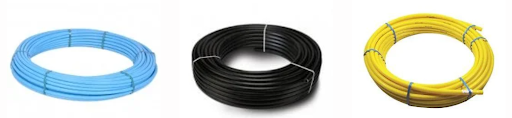
    There are a number of different types of pipe for alternative applications however, they are all made from MDPE but are generally different colours. For example, yellow MDPE pipe is also known as yellow gas pipe.

    MDPE is selected for water supply pipes due to its excellent resistance to environmental stress cracking, impact, and chemical corrosion. These properties ensure that the pipes maintain their integrity and functionality over long periods, even when subjected to harsh conditions. The flexibility of MDPE also allows it to withstand ground movements without breaking, making it ideal for underground water installations.

    Different Coloured Underground Pipes

    Certification and Standards

    To ensure the safety and reliability of these blue water main pipes, they must meet strict certification and industry standards. These water pipes typically adhere to standards set by organisations such as the British Standards Institution (BSI), the Water Regulations Advisory Scheme (WRAS), and the Drinking Water Inspectorate (DWI).

    Certification

    These certifications confirm that the pipes meet essential safety and performance criteria, including being safe for transporting potable water. Compliance with these standards guarantees that the pipes do not leach harmful substances into the water supply and that they maintain the purity and quality of the water. This is particularly important for public health, as it ensures that the water delivered through these pipes is safe for consumption.

    Applications for MDPE Water Pipes

    These blue water pipes are versatile and can therefore be used in a wide range of applications, these include:

    Residential Water Supply: commonly used to connect homes to the main water supply, ensuring a consistent flow of clean, potable water for drinking, cooking, and other household needs.

    Commercial and Industrial Water Systems: generally used in larger-scale underground water supply networks for businesses, factories, and industrial facilities, where a reliable water supply is essential for operations.

    Municipal Water Networks: These pipes are integral to city and town water distribution systems, delivering water from treatment plants to residential, commercial, and industrial users.

    Agricultural and Irrigation Systems: Blue water pipes are also used in agricultural settings for irrigation and water supply, helping to ensure that crops receive adequate water for growth.

    Alternative Names for Blue Water Pipes

    These underground water pipes are known by several names within the industry, reflecting their material and use:

    MDPE Water Pipe: Emphasises the Medium Density Polyethylene material utilised in their manufacture.

    Water Main Pipe: Indicates its primary function in water supply systems.

    Polyethylene Water Pipe: Uses the full name of the material for clarity.

    Blue MDPE Pipe: Combines its colour and material for easy identification.

    Portable Water Pipe: Highlights its suitability for transporting drinking water.

    Alkathene pipe: this is a brand name but one that is often used.

    Conclusion

    Blue water pipes, particularly those made from PE80 MDPE, are essential for ensuring a safe and efficient water supply. Their robust construction, flexibility, and compliance with stringent certification standards make them suitable for a wide range of applications. Whether used in residential, commercial, industrial, or agricultural settings, these pipes play a vital role in delivering clean, potable water.

    At Plastic Drainage, we offer a comprehensive range of blue water pipes that meet the highest industry standards. For more information on our products and to find the perfect solution for your water supply needs, visit Plastic Drainage or contact our experienced sales team on 01255 258525.

  • Understanding Yellow Gas Pipe

    Understanding Yellow Gas Pipe

    When it comes to gas distribution, the humble yellow gas pipe is a vital component in ensuring safe and efficient delivery. Widely recognised by its distinctive colour, this type of piping plays a crucial role in residential, commercial, and industrial gas systems. In this blog, we will look into what yellow gas pipes are made from, their certification standards and their various uses.


    The Composition of Yellow Gas Pipe

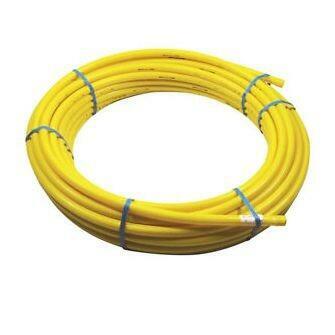
    Yellow MDPE Pipe

    Yellow gas pipes are typically made from Medium Density Polyethylene otherwise known as MDPE, a robust and flexible plastic that is well-suited for transporting gas. Specifically, the gas pipe generally utilised is made from PE80, an advanced grade of polyethylene. The pipe has a Standard Dimension Ratio (SDR) of 11, indicating its thickness and pressure rating. This SDR11 rating means the pipe can withstand a higher pressure, making it suitable for gas distribution.

    This yellow underground pipe is often referred to as MDPE pipe or yellow MDPE pipe.

    MDPE is chosen for underground gas piping due to its excellent balance of strength and flexibility. It can endure external stresses and ground movements without breaking, which is critical for maintaining a secure gas supply. Additionally, MDPE’s resistance to corrosion and chemical reactions ensures the longevity of the gas pipe, even in harsh environmental conditions.


    Certification and Standards

    For underground pipe to be used safely in gas distribution, it must adhere to stringent certification and industry standards. The PE80 SDR11 yellow gas pipe is certified to meet the requirements of relevant regulatory bodies, ensuring it is safe for use in gas transportation. This certification typically includes compliance with standards set by organisations such as the British Standards Institution (BSI) and the Gas Industry Standards Board (GISB).

    These standards dictate the physical properties, pressure ratings, and performance characteristics that the pipe must meet. By complying with these certifications, manufacturers can guarantee that their pipes are suitable for use in critical gas infrastructure, providing peace of mind to installers and end-users alike.


    Different Uses for Yellow Gas Pipe

    The primary use of yellow gas pipe is in the distribution of natural gas and liquefied petroleum gas or LPG. Its flexibility and durability make it ideal for a range of applications, including:

    Residential Gas Supply: Used to connect homes to the main gas supply, ensuring a reliable flow of natural gas for heating, cooking, and hot water systems.

    Commercial and Industrial Gas Distribution: Employed in larger-scale gas delivery systems, servicing businesses, factories, and industrial plants where a consistent and safe gas supply is critical.

    Underground Installations: The pipe’s resistance to corrosion makes it suitable for underground installations, where it can be buried without the risk of degradation over time.

    Utility Networks: Widely used in utility networks to transport gas across cities and rural areas, connecting multiple users to a central gas supply.


    Alternative Names for Yellow Gas Pipe

    This pipe is known by several names within the industry, reflecting its composition and application. Some of the common alternative names include:

    MDPE Gas Pipe: Highlighting the material (Medium Density Polyethylene) used in its construction.

    PE80 Gas Pipe: Referring to the specific grade of polyethylene (PE80) it is made from.

    Gas Distribution Pipe: Emphasising its primary function in gas distribution systems.

    Polyethylene Gas Pipe: Using the full name of the plastic material for clarity.

    Yellow MDPE Pipe: Combining its colour and material for easy identification.


    In Conclusion

    Yellow gas pipes, particularly those made from PE80 MDPE with an SDR11 rating, are essential for the safe and efficient distribution of gas. Their robust construction, flexibility, and compliance with stringent certification standards make them suitable for a wide range of applications, from residential to industrial gas supply. Known by various names, these pipes remain a critical component in modern gas infrastructure, ensuring that gas is delivered safely to where it is needed most.

    For more information on yellow gas pipes and to explore our range of high-quality products, visit Plastic Drainage or contact our knowledgeable sales team on 01255 258525.

  • Enhance Your Home – Cascade Cast Iron Effect Guttering

    Enhance Your Home – Cascade Cast Iron Effect Guttering

    When it comes to blending the traditional aesthetic charm of that cast iron look with modern practicality, Cascade cast iron effect guttering stands out as the perfect choice. There are many manufacturers that attempt to recreate the aesthetic look and feel of cast iron however the Cascade gutter range from Brett Martin stands as a leading brand.

    This innovative product line brings the timeless look of cast iron to your home’s exterior while offering the benefits of lightweight, durable, and maintenance-free plastic. This article looks into the features, benefits, and applications of Cascade cast iron effect plastic guttering, making a compelling case for its integration into your property.

    The Appeal of Cast Iron Effect

    Cast iron has long been favoured for its classic appearance and robust performance. However, traditional cast iron gutters can be heavy, costly, and prone to corrosion if not meticulously maintained. Brett Martin’s Cascade range ingeniously replicates the appearance of cast iron through advanced manufacturing techniques that produce high-quality uPVC guttering, downpipes, hoppers and accessories. These products emulate the detailed styling and texture of original cast iron, providing an authentic heritage look suitable for both period properties and contemporary homes aiming for a classic finish.

    Cast iron effect guttering

    Key Features of Cascade Cast Iron Effect Plastic Guttering

    Authentic Appearance: The Cascade range is meticulously designed to mimic the aesthetics of cast iron, complete with textured surfaces and traditional profiles. This ensures that the guttering system seamlessly integrates with historic architecture or adds a touch of elegance to modern buildings.

    Durability and Longevity: Made from robust uPVC, these gutters and downpipes are resistant to rust, corrosion, and weathering. They maintain their structural integrity and appearance over time, even in harsh environmental conditions.

    Lightweight and Easy Installation: Unlike traditional cast iron, Cascade gutter is lightweight, simplifying handling and installation. This can reduce labour costs and installation time significantly.

    Low Maintenance: The non-corrosive nature of uPVC means that once installed, Cascade guttering requires minimal maintenance. A periodic clean to remove debris is generally sufficient to keep the system functioning optimally.

    Eco-Friendly: The manufacturing process of Cascade products adheres to high environmental standards, ensuring sustainability. Moreover, uPVC is a recyclable material, contributing to the reduction of environmental impact.


    Versatile Applications

    Cascade cast iron effect plastic gutter is versatile enough to suit a variety of building styles and applications. Whether you are restoring a Victorian townhouse, refurbishing a rural cottage, or constructing a new property with a traditional look, Cascade guttering can enhance the visual appeal and functionality of your project.

    Historic and Listed Buildings: Maintaining the architectural integrity of historic properties is crucial. Cascade guttering provides an ideal solution by offering the period-appropriate appearance of cast iron while meeting modern performance standards.

    Residential and Commercial Properties: From residential homes to commercial buildings, the elegant profiles and efficient water management capabilities make Cascade guttering a valuable addition to any property.

    New Builds: For new constructions, especially those aiming for a traditional or heritage look, Cascade cast iron effect guttering offers an aesthetic that blends seamlessly with modern building practices and materials.


    In Conclusion

    Investing in Cascade cast iron effect plastic guttering from Brett Martin is a smart choice for homeowners and builders seeking to combine classic aesthetics with modern practicality. The authentic appearance, coupled with durability, low maintenance, and ease of installation, makes this guttering system an exceptional choice for a wide range of applications. Whether you are preserving the charm of a historic building or adding a touch of tradition to a new property, Cascade guttering provides the perfect solution.

    For more information on Cascade cast iron effect plastic guttering and to explore the full range of products, visit www.plasticdrainage.co.uk or call our helpful and experienced sales team on 01255 258525 or action@bpplastics.co.uk. Transform your home with the timeless elegance and modern efficiency of Cascade guttering today.

  • Why Choose uPVC Guttering

    Why Choose uPVC Guttering

    When it comes to selecting guttering for your home or development project, plastic uPVC guttering stands out as the top choice. Combining quality, ease of use, and environmental benefits, uPVC guttering offers a versatile and reliable solution for modern drainage needs. This blog will explore the numerous advantages of uPVC guttering, addressing its suitability for developers and homeowners alike, and highlighting its wide range of sizes, styles, colours, and accessories.

    Plastic guttering

    Durability and Longevity

    One of the most significant benefits of plastic uPVC guttering is its durability. Unlike traditional materials such as metal, uPVC is resistant to rust, corrosion, and rot. This resistance ensures that the guttering system remains effective and visually appealing for many years, even in the face of harsh weather conditions. uPVC gutters are designed to withstand the elements, providing long-lasting performance with minimal maintenance.

    Easy Installation and Maintenance

    Plastic uPVC guttering is lightweight and easy to handle, making it an ideal choice for both DIY enthusiasts and professional installers. The installation process is straightforward, reducing the time and labour costs associated with guttering projects. Furthermore, uPVC gutters require minimal maintenance. A simple periodic cleaning to remove leaves and debris is typically sufficient to keep the system functioning efficiently. This ease of maintenance is particularly beneficial for homeowners who prefer a hassle-free solution.

    Environmental Friendliness

    In today’s environmentally conscious world, choosing sustainable building materials is more important than ever. uPVC guttering meets this demand with its environmentally friendly credentials. The manufacturing process for uPVC produces less carbon dioxide compared to traditional materials, and uPVC is fully recyclable at the end of its life cycle. By selecting uPVC guttering, developers and homeowners can contribute to reducing their environmental footprint without sacrificing quality or performance.

    Versatility in Design

    uPVC guttering is available in a wide variety of sizes, styles, and colours, making it easy to find a solution that complements the architectural style of any building. Whether you are working on a modern development, a traditional home, or a commercial property, uPVC guttering can be customised to meet your aesthetic and functional requirements. Popular styles include half-round guttering, square guttering, ogee guttering, miniflow guttering, deepstyle guttering, industrial guttering and Cascade cast iron effect guttering profiles, each offering unique benefits for different applications.

    Wide Range of Accessories

    To ensure a seamless and effective guttering system, uPVC guttering comes with a comprehensive range of accessories. These include brackets, clips, end caps, downpipes, and joiners, all designed to work together for a cohesive installation. Additionally, water collection hoppers and leaf guards as well as other protective accessories can be added to enhance the performance and longevity of the guttering system. This extensive selection allows for tailored solutions that address specific drainage needs and challenges.

    Cost-Effectiveness

    Another compelling advantage of plastic uPVC guttering is its cost-effectiveness. The initial cost of uPVC guttering is generally lower than that of metal alternatives, and when combined with its longevity and low maintenance requirements, it represents excellent value for money. Developers can benefit from reduced project costs, while homeowners can enjoy a high-quality guttering system without breaking the bank.


    In Conclusion

    Plastic uPVC guttering offers a robust, versatile, and environmentally friendly solution for modern drainage needs. Its durability, ease of installation, low maintenance, and wide range of styles and accessories make it an attractive choice for both developers and homeowners. Whether you are looking to enhance a new development or replace an old guttering system, uPVC guttering provides the perfect balance of functionality and aesthetic appeal.

    For more information on plastic uPVC guttering and to explore the many available options, visit www.plasticdrainage.co.uk or contact our experienced sales team on 01255 258525 or action@bpplastics.co.uk. Upgrade your guttering system today with the reliable and stylish choice of uPVC.

  • How to Install Channel Drainage

    How to Install Channel Drainage

    Channel drainage systems are crucial for managing surface water, ensuring areas like driveways, patios and gardens are free from standing water and the potential damage it can cause. 

    If you’re looking to protect your property and maintain its integrity against the challenges of water, this blog will guide you through the process of installing channel drainage. We’ll cover everything from planning and preparation to the actual installation and finishing touches. 

    So, whether you’re a seasoned DIY enthusiast or taking on this task for the first time, our step-by-step guide will help you install channel drainage with confidence. 


    Understanding Channel Drainage

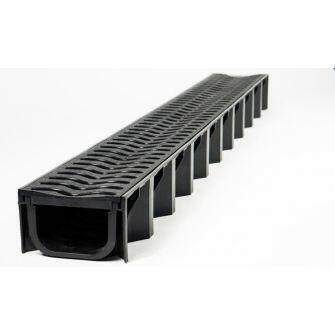
    Channel drainage, also known as trench or linear drainage, is an efficient system designed to capture and convey surface water to a discharge point, such as a main drain or soakaway. 

    A channel drainage system consists of a channel, made from materials like plastic or concrete, topped with a grating cover that allows water to enter while filtering out debris. These systems are commonly installed in areas prone to water accumulation, such as driveways, patios, gardens and along the edges of paved areas.


    Types of Channel Drainage

    Channel drainage systems are categorised based on load-bearing capacity, which determines their suitability for different environments:

    Class A15: Ideal for pedestrian areas, gardens, and patios supporting up to 1.5 tonnes.

    Class B125: Suitable for domestic driveways and larger patios handling up to 12.5 tonnes.

    Class C250: Designed for small car parks and roads with light traffic with a capacity of up to 25 tonnes.

    Class D400: Known as highway channel drains, these are intended for main roads and public car parks supporting up to 40 tonnes.

    Class E600 and F900: These high-capacity drains are used in industrial areas, airports, and docks where heavy machinery operates.

    Choosing the right class of channel drainage is crucial to ensure it can withstand the expected load and provide effective water management for the specific application area.


    Common Channel Drainage Applications

    Residential properties: Protects driveways and patios from water damage and pooling.

    Commercial spaces: Ensures safe pedestrian walkways and prevents flooding in parking lots.

    Agricultural and industrial sites: Manages runoff and prevents erosion or waterlogging in operational areas.

    Understanding the different types of channel drainage and their applications is the first step in planning a successful installation.


    Preparation for Channel Drainage Installation

    Proper preparation is key to a successful channel drainage installation. Here are some steps to ensure you’re well-prepared before you begin: 

    1. Site Evaluation

    Identify where water pools and determine the best discharge point, considering the natural flow of water on your property.

    2. System Design

    Measure the area to cover and select the appropriate class of channel drainage for your needs, taking into account the expected load and traffic.

    3. Materials and Tools

    Gather all necessary components, including channel drain units, end caps, outlets, concrete and gravel. Ensure you have tools like a shovel for digging and a saw for cutting channels.

    4. Regulatory Compliance

    Check local regulations for any permissions needed for drainage work to ensure your project complies with building regulations.

    5. Safety First

    Don’t forget personal protective equipment, such as safety glasses and gloves, to prevent injuries during installation.


    Installation Process for Channel Drainage

    Here’s a streamlined guide to get you through the installation process for channel drainage:

    1. Mark the Area

    Outline the trench: Using stakes and string or chalk, mark the area where the trench for the channel drain will be dug. This should include extra space on each side for concrete backfill.

    2. Dig the Trench

    Dig to specification: The trench should be deep enough for the channel drain to sit slightly below surface level, with a base layer of compacted sand or gravel underneath for stability. The depth of a channel drain will depend on the specific installation and the intended use. However, in general, channel drains should be installed at a depth of at least 6 inches to ensure proper drainage and prevent clogging.

    3. Prepare the Base

    Sand or gravel layer: Add a 50mm base layer of sand or gravel. Compact it to create a stable and level foundation for the channel drain.

    4. Assembling the Channel Drain

    Test fit: Assemble your channel drain system beside the trench to ensure a proper fit. Make adjustments or cuts to the system as necessary.

    5. Laying the Channel Drain

    Installation: Start at the lowest point, laying down the channel drain sections and connecting them. Ensure there’s a slight slope for effective water flow towards the discharge point. We recommend a slope of ⅛ inch per foot to ensure proper drainage. 

    6. Connecting to the Outlet

    Outlet setup: Connect the channel drain to the discharge point, ensuring a secure and leak-proof connection. This could be to an existing drainage system or a soakaway.

    7. Backfilling and Concrete

    Securing the drain: Once in place, backfill around the channel drain with concrete to secure it. Ensure the channel drain is properly aligned and level before the concrete sets.

    8. Testing and Finishing Touches

    Water test: Conduct a water test to ensure proper flow through the channel drain to the outlet, making adjustments if necessary.

    Surface finish: Restore the surface around the channel drain, whether it’s paving, gravel, or grass, ensuring it blends seamlessly with the surrounding area.

    By following these steps, you’ll install a channel drainage system capable of effectively managing surface water, protecting your property or project from water damage. 


    Final Thought

    Successfully installing a channel drainage system is a proactive step towards protecting your property from water damage and ensuring proper surface water management. With the right preparation, materials and approach, you can install a system that efficiently manages water runoff for years to come.

    Get everything you need for channel drainage from Build Plumb Plastics!

    If you’re looking to start your channel drainage project with high-quality materials and expert advice, look no further than Build Plumb Plastics. We offer a wide selection of channel drainage products suitable for various applications, from residential driveways to commercial landscapes. Our team is dedicated to providing you with the support you need to find the perfect solution for your drainage needs.

    Visit Build Plumb Plastics today to explore our products and get started on enhancing your property’s drainage system.